In the intricate world of bulk material handling, the efficiency of a transport system relies heavily on the structural integrity of its components. Industrial facilities across globe utilize complex networks of belts to move raw materials, finished products, and heavy ores over vast distances. Central to this operation is the support system that ensures the belt remains aligned and functional under extreme tension and variable loads. Without a robust foundation, the mechanical stress exerted by heavy materials would lead to catastrophic system failures and significant operational downtime.
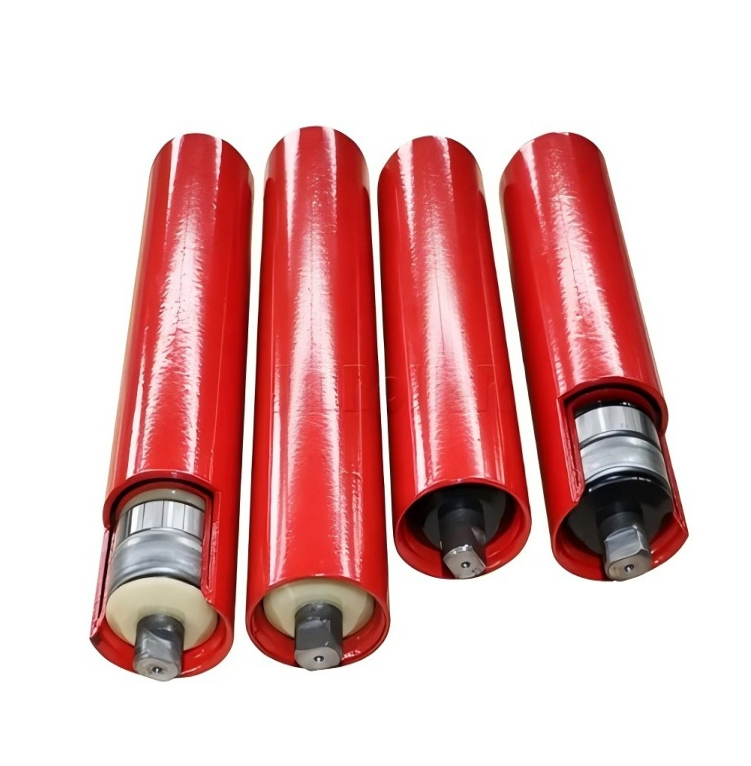
The structural backbone of these systems is a specialized component engineered to hold the rotating elements in precise alignment. A conveyor idler frame is a rigid structural support assembly specifically designed to house and position the conveyor idler roller sets that carry the weight of the belt and the material being transported. These frames are essential for maintaining the correct troughing angle and ensuring that the conveyor belt roller components operate with minimal friction and maximum stability throughout the lifecycle of the material handling system.
Understanding the nuances of these structural supports is critical for engineers and procurement specialists looking to optimize their conveyor performance. The following sections provide a comprehensive analysis of the technical specifications, functional roles, and maintenance protocols associated with these vital components. By examining the synergy between the frame and the conveyor idler roller technology, we can better appreciate how industrial systems achieve such high levels of reliability and throughput in modern manufacturing and mining environments.
Table of Contents
What is an Idler Roller Support Frame?
Functions of Idler Roller Support Frames
Types of Idler Roller Support Frames
Benefits of Using Idler Roller Support Frames
Installation and Maintenance
What is an Idler Roller Support Frame?
The structural architecture of a material handling system is defined by its ability to withstand constant vibration and heavy gravitational loads. At the heart of this architecture lies the idler roller support frame, a heavy duty steel assembly that serves as the mounting base for the conveyor idler roller units. Typically manufactured from high grade structural steel or reinforced polymers, these frames are designed to be bolted directly onto the conveyor stringers. Their primary geometric configuration is determined by the specific requirements of the belt width and the desired troughing profile.
A standard frame assembly consists of a base plate, vertical or angled support legs, and cross members that feature precision machined slots. These slots are where the conveyor belt roller shafts are securely seated. The precision of these frames is paramount; even a slight deviation in the angle of the support can lead to belt mistracking, which causes the conveyor idler roller to wear unevenly and potentially damage the belt edges. High quality frames are often hot dip galvanized or powder coated to prevent corrosion, especially in environments involving chemical processing or coastal mining where moisture and salt air are prevalent.
Furthermore, the design of the conveyor idler roller frame must account for the dynamic forces generated during the startup and braking phases of the conveyor belt. When the system accelerates, the torque applied to the conveyor belt roller is transferred directly to the frame. Therefore, the welding and joining techniques used in the fabrication of the frame must meet stringent industrial standards to prevent fatigue cracking. In modern systems, these frames are often engineered using finite element analysis (FEA) to ensure that the distribution of stress from each conveyor idler roller is handled efficiently by the supporting structure.
Functions of Idler Roller Support Frames
The primary function of the support frame is to provide a stable and accurate platform for the conveyor idler roller sets. By maintaining the rollers in a specific orientation, the frame enables the belt to form a "trough" shape, which significantly increases the carrying capacity of the system compared to a flat belt. This troughing action is made possible by the angled wings of the frame that hold the outer conveyor belt roller units at angles typically ranging from 20 to 45 degrees.
Beyond structural support, these frames play a critical role in belt tracking and alignment. An improperly aligned conveyor idler roller can cause the belt to drift to one side, leading to material spillage and structural damage. Many frames are designed with adjustable features that allow maintenance teams to "knock" or pivot the conveyor belt roller slightly to correct tracking issues. This functionality is vital for long distance conveyors where environmental factors or uneven loading can frequently disrupt the belt's path.
Another essential function is the protection of the conveyor idler roller bearings and seals. By holding the conveyor belt roller in a fixed, rigid position, the frame prevents excessive shaft deflection. If the shaft were allowed to bend under load, the internal bearings of the conveyor idler roller would face premature failure due to misalignment. The frame acts as a heat sink and a vibration dampener, absorbing the mechanical energy produced as the conveyor belt roller spins at high speeds.
Types of Idler Roller Support Frames
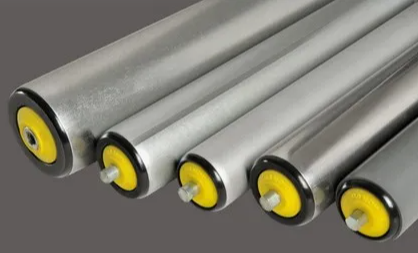
Industrial requirements vary significantly based on the material being moved, leading to the development of several specialized frame types. The most common is the Troughing Frame, used on the carrying side of the conveyor. These frames usually hold three conveyor idler roller units in a line. The center roller is horizontal, while the two wing rollers are set at an angle. This configuration is the standard for transporting coal, minerals, and grains, as it centers the load and prevents the conveyor belt roller from being overwhelmed by side pressures.
For the return side of the belt, where the belt is empty and travels back to the loading point, Return Frames are utilized. These are typically simpler, horizontal structures that hold a single, long conveyor idler roller. Because the return side does not carry a material load, the frame focuses on maintaining belt tension and preventing sag. In some cases, "V" return frames are used, which employ two conveyor belt roller units in a shallow V shape to improve tracking on the return path.
In loading zones where material falls onto the belt from a height, Impact Frames are required. These frames are significantly reinforced and often house a conveyor idler roller equipped with thick rubber rings. The frame itself is built with heavier gauge steel to absorb the kinetic energy of falling rocks or heavy debris, preventing the conveyor belt roller from being crushed and protecting the belt from punctures. There are also Transition Frames, which are used near the head and tail pulleys to gradually change the belt shape from flat to troughed, ensuring the conveyor idler roller transition is smooth and does not stress the belt fabric.
Specialized Frame Configurations
Troughing Frames: Designed for the main carrying run with 20, 35, or 45 degree angles for the conveyor idler roller.
Impact Frames: Heavy duty construction located at feed points to support the conveyor belt roller under high impact.
Self-Aligning Frames: Features a central pivot that allows the conveyor idler roller to swing and automatically correct belt drift.
Garlands / Suspended Frames: Linked conveyor belt roller sets that are hung from the structure, providing flexibility for high speed and high capacity lines.
Training Frames: Specifically engineered to provide steering force to the belt via a pivoting conveyor idler roller mechanism.
Benefits of Using Idler Roller Support Frames
The integration of high quality frames into a conveyor system offers numerous operational advantages. The most immediate benefit is the reduction in maintenance costs. When a conveyor idler roller is supported by a rigid, well aligned frame, the friction between the belt and the conveyor belt roller is minimized. This reduction in friction leads to lower power consumption by the drive motors, as less force is required to move the belt. Over time, these energy savings can represent a significant portion of the facility's operational budget.
Furthermore, the use of precision frames extends the service life of the belt itself. The belt is often the most expensive component of a conveyor system. By ensuring that every conveyor idler roller is perfectly positioned, the frame prevents the belt from being subjected to unnecessary twisting or uneven tension. A stable conveyor belt roller environment prevents "scalloping" and other forms of belt wear that typically occur when the belt rubs against the conveyor structure due to poor support.
Safety is another critical benefit. A failing conveyor idler roller can seize up and generate enough frictional heat to cause a fire, especially in coal mines or grain elevators. Robust frames hold the conveyor belt roller securely, reducing the risk of a roller falling out of the system and causing a mechanical jam. Additionally, well designed frames allow for easier access during inspections, ensuring that any damaged conveyor idler roller can be identified and replaced before it poses a safety hazard to personnel or the environment.
Performance Benefits Summary
Enhanced Belt Life: Stabilizes the conveyor idler roller to prevent abrasive wear.
Energy Efficiency: Optimizes the rotation of the conveyor belt roller to reduce drag.
System Stability: Provides a rigid skeleton that withstands high speed vibration.
Improved Throughput: Allows for deeper troughing angles, increasing the volume of material per meter of belt.
Cost Reduction: Lowers the frequency of conveyor idler roller replacement and belt repairs.
Installation and Maintenance
Proper installation of the idler frame is the foundation of a reliable conveyor system. The process begins with ensuring the conveyor stringers are level and square. Once the frames are positioned, they must be aligned using laser tools or traditional string lines to ensure that every conveyor idler roller is perpendicular to the center line of the belt. If the frames are not installed correctly, the conveyor belt roller will act as a steering mechanism, constantly pushing the belt off course.
Maintenance of these structures is relatively straightforward but must be performed consistently. Regularly inspecting the frames for signs of corrosion or structural deformation is essential. In environments with heavy material accumulation, dust and debris can build up around the base of the conveyor idler roller, trapping moisture and accelerating rust. Cleaning the frames ensures that the conveyor belt roller can be easily removed and replaced when its service life ends. It is also important to check the mounting bolts that secure the frame to the stringers, as vibrations can cause them to loosen over time.
When a conveyor idler roller needs replacement, the frame design should allow for a quick changeout. Many modern frames feature "drop in" slots that allow the conveyor belt roller to be swapped without the need for specialized tools or disassembly of the frame itself. This feature is crucial for minimizing downtime during scheduled maintenance shutdowns. By keeping a detailed log of frame inspections and conveyor idler roller replacements, operators can predict failure patterns and implement proactive maintenance strategies that keep the material handling system running at peak efficiency for decades.
In conclusion, the idler roller support frame is far more than a simple piece of steel; it is a precision engineered component that dictates the performance of the entire conveyor. By providing the necessary support for the conveyor idler roller, these frames ensure that the conveyor belt roller can perform its job of facilitating smooth, efficient, and safe material transport. Whether in a high volume mining operation or a precise food processing facility, the quality of the frame remains a determining factor in the overall success of the bulk handling infrastructure.


