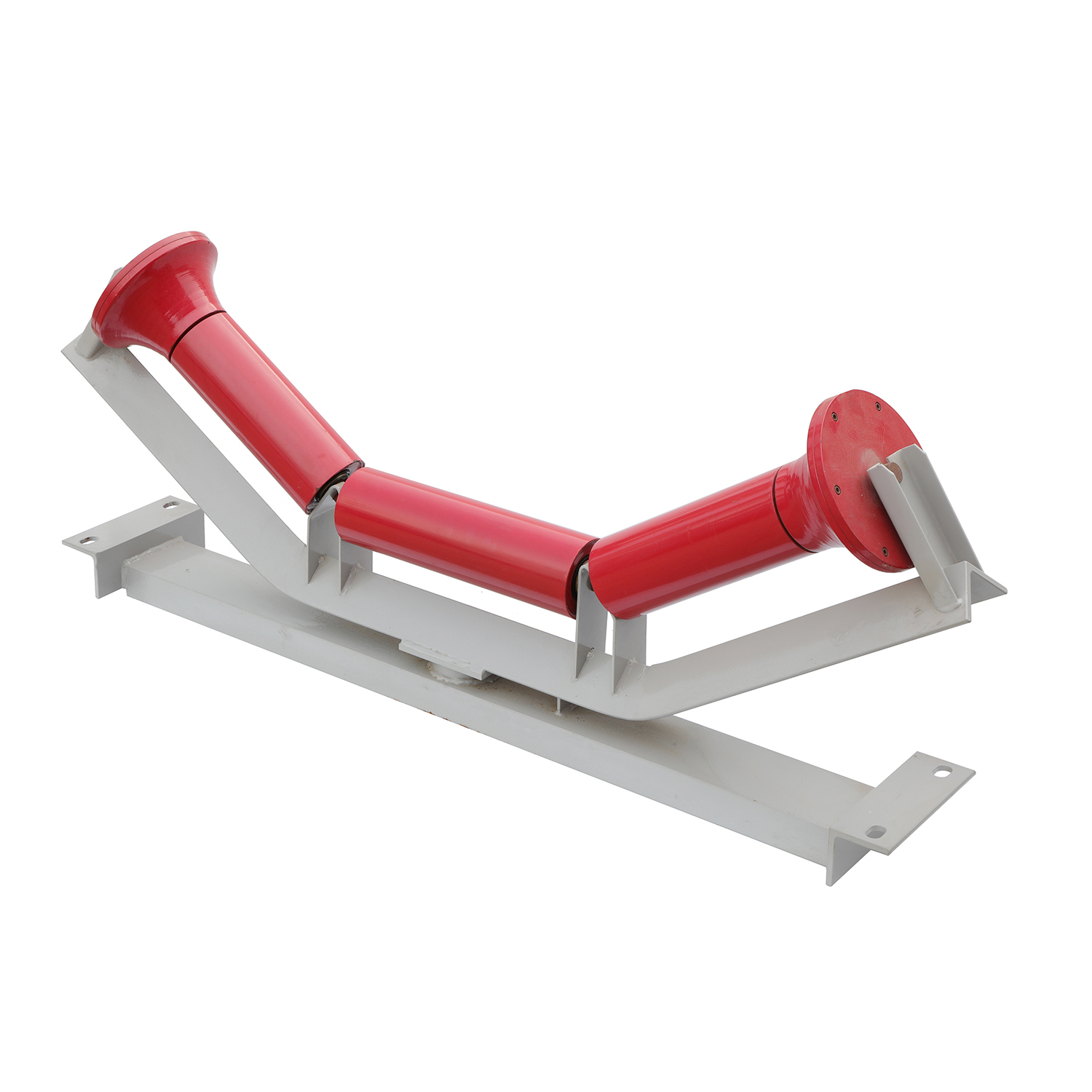
In the massive landscape of material handling and industrial logistics, the belt conveyor idler serves as the foundational support system that ensures operational continuity. These components are not merely passive rollers but engineered solutions designed to manage the immense weight of bulk materials while maintaining the structural integrity of the conveyor belt. From mining operations to heavy manufacturing facilities, the reliability of a conveyor system is often determined by the quality and placement of its conveyor idler sets.
The conveyor idler is a critical mechanical component consisting of a series of rollers mounted within a support frame, designed to support the conveyor belt and the transported load while facilitating smooth movement and preventing belt sag or misalignment. By providing a low friction surface, the belt conveyor idler reduces the power required to move the system and protects the belt from premature wear and structural fatigue.
Understanding the nuances of idler selection, maintenance, and alignment is essential for any facility manager looking to optimize throughput and reduce downtime. This comprehensive guide explores the fundamental mechanics of conveyor idlers, their primary purposes within a system, the technical fallout of misalignment, and the critical factors involved in selecting the appropriate hardware for specific industrial applications.
Section
Summary
What are Conveyor Idlers?
An exploration of the physical components and mechanical design of a belt conveyor idler, including the shell, bearings, and frame.
What is the Purpose of a Conveyor Idler?
A detailed analysis of how these components support the load, maintain belt shape, and reduce energy consumption.
The Consequences of Conveyor Idler Misalignment
An investigation into the operational hazards caused by poorly aligned idlers, including belt drift and component failure.
Choosing the Right Conveyor Idlers
A technical framework for selecting idlers based on material weight, belt speed, and environmental conditions.
What are Conveyor Idlers?
A belt conveyor idler is a cylindrical roller assembly mounted on a fixed frame that supports the moving conveyor belt and the material being transported, ensuring the belt maintains its intended path and profile.
The physical construction of a conveyor idler is a feat of industrial engineering. Each roller typically consists of a steel or high density polymer shell, a central shaft, and high precision bearings protected by advanced sealing systems. The belt conveyor idler must withstand harsh environments, including dust, moisture, and extreme temperatures, while rotating millions of times over its operational lifespan. Because the idler is the primary contact point for the belt, its surface finish and concentricity are paramount to preventing vibration.
In a standard belt conveyor idler setup, multiple rollers are arranged to create a specific shape for the belt. For example, troughing idlers use three or more rollers to create a cradle for bulk materials, while return idlers typically feature a single flat roller to support the empty belt on its journey back to the tail pulley. The internal bearings of a conveyor idler are often grease packed and sealed for life to minimize maintenance requirements in hard to reach areas of the conveyor structure.
Modern belt conveyor idler designs also incorporate specialized materials to handle unique challenges. Impact idlers utilize rubber rings to absorb the energy of falling material at loading zones, while self aligning idlers feature pivoting mechanisms to correct belt drift. Every conveyor idler is a link in a chain; if one fails or becomes seized, it creates friction that can lead to belt damage or even fire hazards in high speed applications.
What is the Purpose of a Conveyor Idler?
The primary purpose of a conveyor idler is to provide a low friction support surface for the belt, maintain the required belt profile for material containment, and protect the belt from structural damage caused by sagging or impact.
One of the most vital functions of the belt conveyor idler is load support. Without a properly spaced conveyor idler series, the conveyor belt would sag under the weight of the material, leading to increased power consumption and material spillage. By maintaining a consistent profile, the belt conveyor idler ensures that the belt remains taut and the material stays centered, which is especially important in long distance overland conveyor systems where stability is key to efficiency.
Furthermore, the belt conveyor idler plays a crucial role in energy efficiency. By utilizing high quality bearings and precision machined rollers, the conveyor idler minimizes the rolling resistance between the belt and the support structure. This reduction in friction means that the drive motors do not have to work as hard to move the load, resulting in significant electricity savings over time. A well maintained conveyor idler system can extend the life of the entire conveyor drive train by reducing mechanical stress.
The belt conveyor idler also acts as a protective barrier for the conveyor belt itself. In loading zones, impact conveyor idler sets absorb the kinetic energy of heavy rocks or ores, preventing the belt from being punctured or torn against the rigid steel frame. On the return side, the return conveyor idler keeps the belt from rubbing against the conveyor's structural members. Through these various roles, the idler serves as the silent guardian of the facility's most expensive moving asset: the belt.
Primary Functions of Idlers
Load Support and Shape Retention
The belt conveyor idler ensures the belt maintains its trough shape to maximize material carrying capacity and prevent side spillage during transit.
Friction Reduction
By providing a rotating surface, the conveyor idler converts sliding friction into rolling friction, drastically lowering the torque required from the motor.
Belt Tracking and Training
Specialized training idlers within the belt conveyor idler family help steer the belt back to the center of the frame if it begins to drift to one side.
Impact Absorption
At the point where material drops onto the belt, reinforced impact idlers dampen the force to prevent carcass damage and prolong the belt's operational life.
The Consequences of Conveyor Idler Misalignment
Conveyor idler misalignment occurs when the rollers are not perpendicular to the belt's center line, leading to uneven belt wear, material loss, increased energy costs, and potential structural damage to the conveyor system.
When a belt conveyor idler is installed incorrectly or shifts due to vibration, it exerts a lateral force on the belt. This force causes the belt to "track" toward one side, often resulting in the belt edge rubbing against the conveyor frame. This friction quickly destroys the belt edge, exposing the internal fabric or steel cords and leading to catastrophic belt failure. A misaligned conveyor idler can turn a high performance system into a maintenance nightmare in a matter of hours.
The financial impact of a misaligned belt conveyor idler extends beyond the cost of the belt. As the belt moves off center, material often spills over the edges of the trough, leading to significant product loss and requiring manual labor for cleanup. Furthermore, the increased resistance caused by a misaligned conveyor idler forces the motors to draw more current, leading to higher utility bills and premature motor burnout. The inefficiency introduced by a single poorly positioned belt conveyor idler ripples through the entire production line.
Safety is perhaps the most critical concern regarding conveyor idler misalignment. A belt that is constantly rubbing against a seized or misaligned conveyor idler generates intense heat due to friction. In environments with flammable dust or materials, this heat can become an ignition source. Additionally, material spillage caused by a faulty belt conveyor idler creates tripping hazards and can bury other mechanical components, leading to further equipment degradation and unsafe working conditions for plant personnel.
Risks Associated with Poor Alignment
Accelerated Belt Edge Wear
Constant contact between the belt and the frame due to a misaligned conveyor idler leads to fraying and eventual tearing of the belt.
Increased Power Demand
The system must overcome the "drag" created by the misaligned belt conveyor idler, leading to higher operational costs and mechanical strain.
Material Spillage and Loss
When a belt conveyor idler fails to keep the belt centered, the material profile becomes unstable, causing valuable product to fall off the conveyor.
Fire and Heat Hazards
Friction from a seized or misaligned belt conveyor idler can reach temperatures high enough to ignite debris or damage the belt's rubber covers.
Choosing the Right Conveyor Idlers
Choosing the right conveyor idler requires a detailed analysis of the belt width, material density, belt speed, and environmental factors to ensure the selected rollers can handle the maximum load without premature bearing failure.
The selection process for a belt conveyor idler begins with understanding the specific load requirements of the application. High density materials like iron ore require a heavy duty conveyor idler with thicker shells and larger bearings compared to idlers used for lightweight grains or wood chips. Engineers must calculate the CEMA (Conveyor Equipment Manufacturers Association) rating required for the project, which categorizes the belt conveyor idler based on its load capacity and durability.
Environmental conditions also dictate the material and seal choice for a conveyor idler. In corrosive chemical plants or coastal mining operations, a standard steel belt conveyor idler may rust prematurely. In these cases, stainless steel or composite idlers are preferred. Similarly, if the conveyor idler will be exposed to fine, abrasive dust, a triple labyrinth seal is necessary to protect the internal bearings from contamination, which is the leading cause of conveyor idler seizure.
Finally, the belt speed is a critical factor in belt conveyor idler selection. High speed conveyors require rollers with extremely low "run out" or eccentricity to prevent excessive vibration. A low quality conveyor idler at high speeds will create a rhythmic pulsing that can vibrate the entire conveyor structure and cause material to bounce off the belt. Therefore, specifying the correct belt conveyor idler involves balancing initial procurement costs with the long term benefits of reduced maintenance and improved system stability.
Factors for Selection
Criteria
Consideration for Belt Conveyor Idler
Material Weight
Heavier loads require higher CEMA class idlers with reinforced shafts.
Belt Speed
High speed applications need precision balanced rollers to minimize vibration.
Environment
Corrosive or wet areas require specialized coatings or composite materials.
Belt Width
The length and diameter of the conveyor idler must match the belt's structural needs.
Loading Height
Impact zones require rubber cushioned idlers to handle the vertical force.
Technical Specifications Comparison
CEMA Class B Idlers
Designed for light to medium duty applications with smaller belt widths and lower speeds. These are common in light manufacturing and packaging.
CEMA Class C Idlers
The industry standard for most bulk handling tasks. This belt conveyor idler type offers a balance of durability and cost for medium density materials.
CEMA Class D and E Idlers
Heavy duty and extra heavy duty idlers. These conveyor idler sets are used in mining and quarrying where the load and belt tension are extreme.
Specialized Impact Idlers
Featuring heavy duty rubber discs, this belt conveyor idler variant is installed specifically at transfer points to protect the belt carcass.
Summary of Industrial Conveyor Idler Optimization
In conclusion, the belt conveyor idler is a fundamental component that dictates the efficiency, safety, and longevity of any industrial conveyor system. By providing the necessary support and reducing friction, a high quality conveyor idler ensures that bulk materials are transported reliably across vast distances. Neglecting the health of these rollers leads to a cascade of failures, from belt misalignment and material spillage to increased energy consumption and fire risks.
For professionals in the B2B sector, investing in the correct belt conveyor idler technology is not just about purchasing a spare part; it is about protecting the operational heart of the facility. Whether you are dealing with high speed sorting or heavy duty mining, the selection of the right conveyor idler tailored to your environment will pay dividends in reduced maintenance costs and increased uptime. Always prioritize precision, sealing quality, and load ratings when integrating a new belt conveyor idler into your material handling workflow.