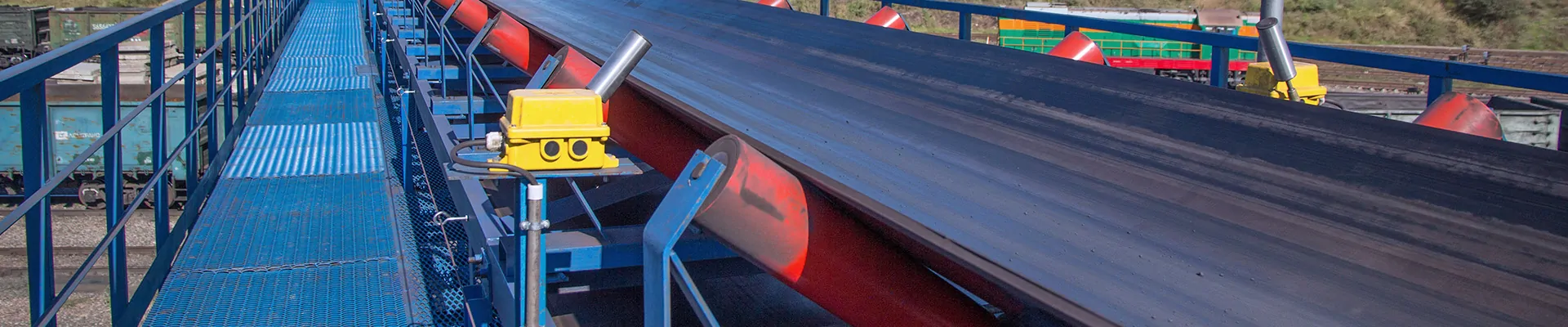
Belt Conveyor Ceramic Roller
A belt conveyor ceramic roller is an essential component of a belt conveyor system.
1. Structure and Composition
The belt conveyor system mainly consists of a conveyor belt, a driving device, rollers, and idlers. The ceramic roller is designed with a metal core as the base structure. Around this metal core, a layer of ceramic material is applied. The ceramic layer is usually formed through advanced manufacturing techniques. For example, in some cases, the ceramic is sintered onto the metal base. High - quality ceramic powders are carefully selected and mixed with appropriate binders. Then, through a precise sintering process at a high temperature in a controlled environment, the ceramic forms a strong and durable coating on the metal roller.
2. Advantages of Ceramic Rollers
-
Wear Resistance: Ceramic materials possess high hardness. In the process of material transportation, when in continuous contact and friction with the conveyor belt and materials, the ceramic roller can effectively withstand wear. Compared to traditional metal rollers, its service life is significantly extended. For instance, in ore - transporting belt conveyor systems, the heavy and hard - textured ore particles can cause severe abrasion to the roller surface. Using ceramic rollers can greatly reduce the frequency of roller replacement.
-
Corrosion Resistance: In corrosive environments such as chemical material transportation, ceramic materials can resist the corrosion of acids, bases, and other chemicals. It ensures the structural integrity and working performance of the roller, preventing the roller surface from being damaged by corrosion and thus affecting the normal operation of the conveyor belt. In a chemical fertilizer production plant, for example, when transporting granular or powdered chemical fertilizers, the corrosion - resistant property of the ceramic roller enables it to maintain its quality when in contact with chemical substances.
-
Reduced Friction: The ceramic surface is relatively smooth, which can reduce the friction between the conveyor belt and the roller. This helps to reduce energy consumption and makes the belt conveyor operate more efficiently. At the same time, an appropriate level of friction can effectively prevent the conveyor belt from slipping and ensure the stable transportation of materials.
3. Application Fields
-
Mining Industry: In the mining and processing of ores, ceramic rollers are used to transport ores, ore powders, and other materials. Due to the heavy weight and high hardness of ores, which cause significant wear and impact on the rollers, ceramic rollers can handle these problems well.
-
Chemical Industry: They are used for transporting various chemical raw materials and finished products. As mentioned earlier, in the production of fertilizers, they play a crucial role in the transportation of granular or powdered fertilizers.
-
Building Materials Industry: In cement plants, ceramic rollers are used to transport cement raw materials and finished products. In ceramic factories, they are also used to transport ceramic raw materials. Their wear - resistant and corrosion - resistant properties make them ideal for these applications.