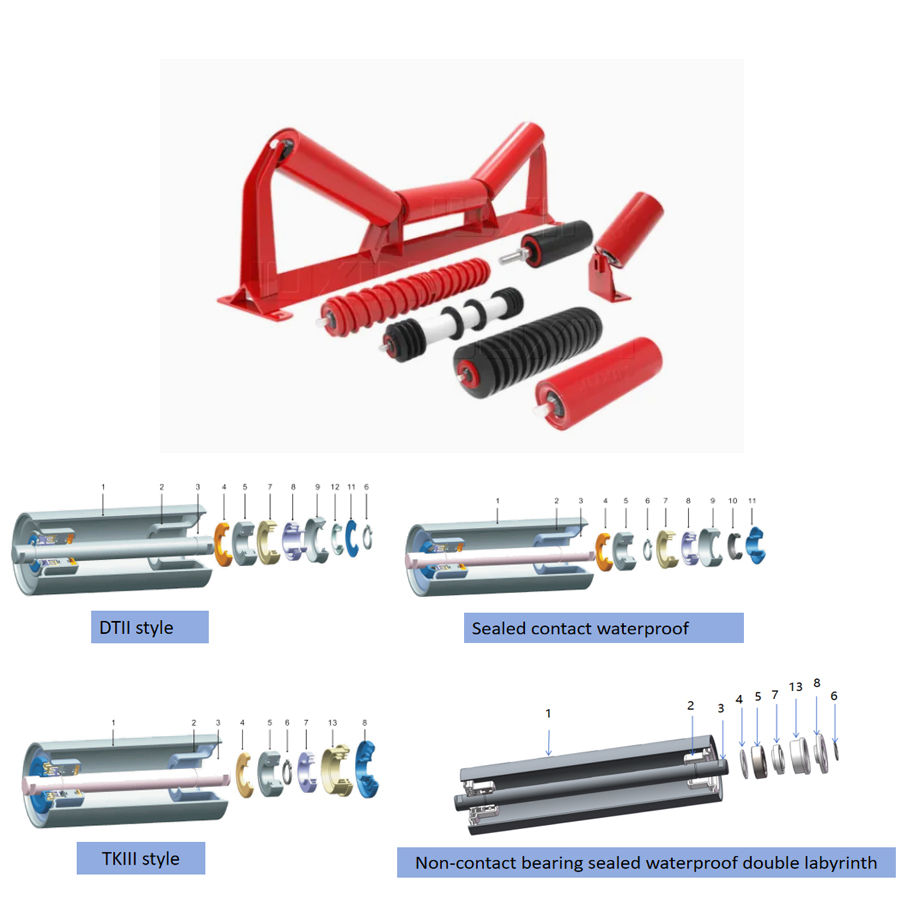
In the fast-paced world of manufacturing and logistics, Stainless Steel Conveyor Rollers have become an essential component in ensuring smooth material handling. These rollers help optimize the movement of products, which is critical in sectors such as food processing, pharmaceuticals, and automotive. Their corrosion resistance, strength, and durability make them ideal for high-demand environments. Without these rollers, organizations risk facing bottlenecks in their operations, leading to delayed deliveries and reduced customer satisfaction. In this article, we explore the significance of stainless steel conveyor rollers, their applications, advantages, and why they are crucial for businesses looking to enhance operational efficiency.

Definition of Stainless Steel Conveyor Rollers
Stainless steel conveyor rollers are cylindrical components that facilitate the movement of materials along conveyor systems. Made from stainless steel—an alloy known for its resistant properties against corrosion, heat, and wear—these rollers allow products to glide smoothly, preventing damage during transit. The rollers are typically used in various configurations to create conveyor belts that transport a wide range of goods, from fragile items to heavy machinery parts.
Industry Term Analysis
The term 'stainless steel' refers to a group of iron-based alloys that contain at least 10.5% chromium. This element provides resistance to oxidation and corrosion. The American Iron and Steel Institute (AISI) classifies stainless steel into different grades, with AISI 304 and AISI 316 being the most common for conveyor rollers due to their exceptional mechanical properties and resistance to tarnishing.
Application Scenarios: Where Are Stainless Steel Conveyor Rollers Used?
Stainless steel conveyor rollers are used in multiple industries, each facing unique challenges that these rollers can solve:
Food Processing: In food and beverage manufacturing, hygiene is paramount. Stainless steel is non-reactive and easy to clean, making it suitable for transporting food products where contamination must be avoided.
Pharmaceuticals: Similar to the food industry, the pharmaceutical sector requires materials that are easy to sanitize. Stainless steel conveyor rollers ensure that the movement of medicinal products occurs without compromising quality.
Packaging: Packaging industries rely on fast and efficient transport systems. These rollers contribute to optimizing assembly lines, reducing wadding, and improving output rates.
Automotive: In automotive manufacturing, heavy parts must be transported safely. Stainless steel rollers are robust and designed to handle significant loads, increasing the overall efficiency of the assembly line.
Mining and Material Handling: The durability and wear resistance of stainless steel rollers make them an optimal choice for environments that demand heavy machinery, ensuring minimal downtime due to maintenance.
Advantages: Why are Stainless Steel Conveyor Rollers Important?
Stainless steel conveyor rollers offer several critical advantages:
Corrosion Resistance: According to Corrosionpedia, stainless steel can resist corrosion for a long time, significantly extending the lifespan of conveyor systems. Such durability translates into reduced replacement costs and downtime.
Load Capacity: Stainless steel rollers can handle loads ranging from 10 kg to over 300 kg, accommodating various material sizes. This flexibility allows businesses to customize their conveyor systems to meet specific needs.
Hygiene: In food and pharma applications, using stainless steel helps industries comply with strict health and safety regulations, maintaining high hygiene standards.
Cost-Effectiveness: Although initially more expensive than other materials, the long-term savings generated by reduced maintenance and fewer replacements make stainless steel conveyor rollers a financially sound choice.
Next Steps: Further Guidance and Resources
To optimize your operations with stainless steel conveyor rollers, consider reading the user guides provided by manufacturers such as Chenggang (成钢). Their guides cover installation, maintenance, and best practices essential for maximizing the lifespan and efficiency of your conveyor systems.
FAQ
What is the lifespan of stainless steel conveyor rollers?Lifespan varies based on usage and environment but can last over 10 years with proper maintenance.
Can stainless steel conveyor rollers be used outdoors?Yes, but ensure that they are adequately protected from extreme weather conditions that can lead to wear.
How do I maintain stainless steel conveyor rollers?Regular cleaning and lubrication should suffice to maintain efficiency and prevent rusting.
Are there specific grades of stainless steel preferred for industrial applications?Yes, AISI 304 and AISI 316 are preferred due to their unique properties suited for demanding environments.
Conclusion
Stainless steel conveyor rollers represent a significant investment for industries focused on efficiency and durability. By implementing these rollers in your material handling systems, you are taking a vital step toward enhanced productivity and compliance with safety regulations. Explore options further and consult brand experts like Chenggang for guidance tailored to your specific industry needs.